
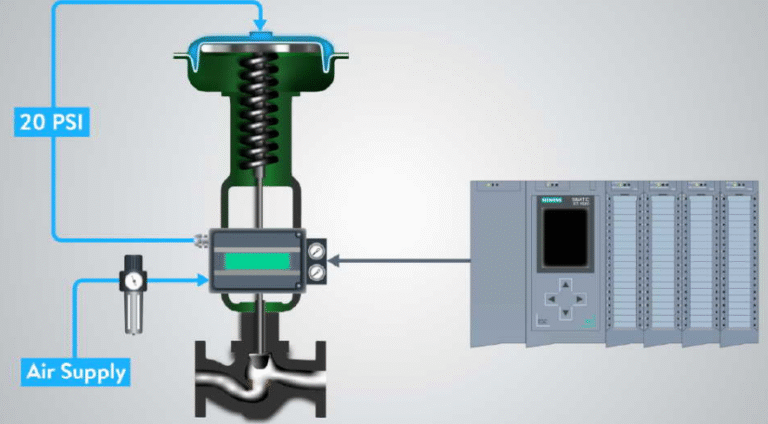
An electronic pressure control valve helps machines maintain a steady pressure, just like a tap keeps the water flow steady. You tell it the pressure you want. The valve opens or closes a little to keep that pressure. It works fast and responds to an electronic signal.
Why do we use one
Machines need steady pressure to work safely and do a good job. Without steady pressure, tools jerk, parts wear out, or a system stops working. This valve makes the pressure smooth and saves energy. It also lets people control the pressure from a computer or a small box.
Parts that make it run
Three simple parts make it work:
- A sensor checks the pressure.
- A controller decides what to change.
- The valve moves to change the pressure.
When the sensor says pressure is too high, the controller tells the valve to let some out. When the pressure is low, the controller tells the valve to let more through. This happens again and again, many times a second.
See also: How Technology Is Enhancing Remote Work
How it works, step by step
- The sensor reads the current pressure.
- The controller compares that reading with the desired pressure.
- The controller sends a small electric message to the valve.
- The electronic pressure control valve opens or closes a little to fix the pressure.
- The sensor reads again, and the cycle repeats.
This loop is how electronically controlled proportional valves work. The word “proportional” means the valve moves just the right amount, not all the way open or closed.
Common applications of the valve
You find these valves in factory machines, car systems, and some heating units. They help keep a steady pump, smooth a robotic arm, or control a spray. Even at home, devices that need steady pressure in a small way use the same idea.
Easy example: slow down a water balloon game
Imagine you are trying to fill balloons from a tap that releases water too quickly. If you use a small hose and a thumb to stop some water, you will control how fast the balloon fills. The sensor is your eye, the controller is your brain, and the valve is your thumb. An electronic valve works in the same way, but it uses a sensor and electric commands instead.
Simple tips for choosing one
- Maintenance is simple. Check the sensor, keep the valve clean, and replace seals when they wear.
- Small checks stop surprises and make machines last longer.
- Regular care saves repair costs and keeps systems ready to work, and reduces unexpected downtime.
- Pick a valve that matches the pressure your system needs, and ensure the valve works with the control box or computer you have.
- If the system needs steady, tiny changes, look for electronically controlled proportional valves.
- If you need just basic on/off, a simple valve may work better.
Short wrap-up
An electronic pressure control valve listens to a sensor, follows commands from a controller, and adjusts to keep pressure steady. It makes machines safer, smoother, and more efficient. This small loop: sense, decide, and act keeps big systems working well.