
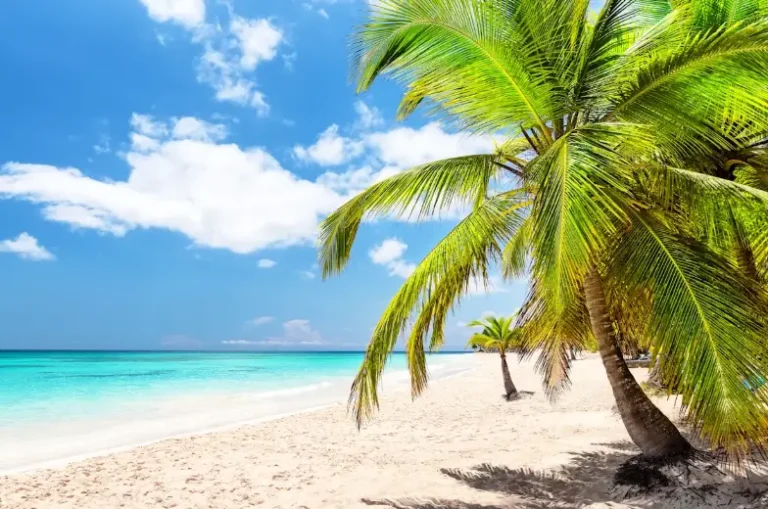
The Caribbean is often associated with beaches, warm weather, and tropical vacations, but the region also carries a long and deeply influential history that shaped cultures, economies, and societies across the world. The islands and coastal territories that make up the Caribbean have experienced centuries of migration, exploration, conflict, trade, colonization, resistance, and cultural blending.
Today, the Caribbean is known for its vibrant music, cuisine, languages, traditions, and landscapes, yet much of that identity developed through generations of historical change and resilience. The region became a crossroads where Indigenous peoples, European powers, African communities, and later Asian and Middle Eastern immigrants all contributed to the cultural foundation seen today.
What makes Caribbean history especially fascinating is how interconnected the islands became with global events. Colonial empires competed fiercely for control of the region because of its economic importance, particularly during the sugar trade era. The Caribbean also played a major role in the transatlantic slave trade, which profoundly shaped both the region itself and world history.
Despite periods of hardship and exploitation, Caribbean societies developed rich cultural identities filled with creativity, strength, and adaptability. Music, religion, storytelling, food, and language all evolved through the blending of many influences over centuries.
Understanding Caribbean history helps explain why the region feels so culturally diverse and emotionally powerful today. Behind the beaches and tourism lies a story filled with transformation, survival, and remarkable cultural development.
The Indigenous Peoples Of The Caribbean
Long before European explorers arrived, the Caribbean was home to Indigenous communities that lived throughout the islands and coastal regions.
Groups such as the Taíno, Kalinago, and Ciboney peoples developed societies with agriculture, fishing, trade routes, and established settlements across many islands. They cultivated crops such as cassava, maize, sweet potatoes, and peppers while navigating between islands using canoes built from local materials.
The Taíno people in particular occupied large areas of the Greater Antilles, including present-day Cuba, Puerto Rico, Hispaniola, and Jamaica.
These Indigenous societies had social structures, spiritual traditions, artistic practices, and extensive knowledge of the natural environment long before European arrival.
Many words still used today, including hurricane, canoe, barbecue, and hammock, originated from Indigenous Caribbean languages.
Although much of Indigenous Caribbean society was devastated following European colonization, the influence of these early cultures remains part of the region’s heritage and identity today.
European Exploration Changed The Region Forever
The Caribbean entered a dramatically different historical period after Christopher Columbus arrived in the region in 1492 during his first voyage sponsored by Spain.
European powers quickly recognized the Caribbean’s strategic and economic importance. Spain established colonies throughout many islands, seeking wealth, resources, and territorial control.
Other European nations soon followed.
Britain, France, the Netherlands, and Denmark all competed for influence and ownership throughout the Caribbean over the following centuries. Control of islands frequently shifted through wars, treaties, and colonial expansion.
Colonial powers built plantations focused heavily on sugar production, which became one of the most profitable industries in the world during the seventeenth and eighteenth centuries.
Sugar dramatically transformed the Caribbean economy and landscape.
Large plantations required enormous labor forces, which led directly to one of the darkest chapters in Caribbean history: the transatlantic slave trade.
The Impact Of Slavery On Caribbean History
Millions of enslaved Africans were forcibly transported across the Atlantic Ocean to work on Caribbean plantations.
The conditions were brutal. Enslaved individuals endured violence, harsh labor, disease, and separation from families and communities. Sugar plantations became centers of extreme exploitation because European demand for sugar continued growing rapidly.
The effects of slavery shaped every aspect of Caribbean society.
At the same time, African communities brought enormous cultural influence to the region. Music, language, religion, cuisine, storytelling, dance, and artistic traditions blended with Indigenous and European influences over generations.
Many modern Caribbean cultural traditions developed directly from this blending of African heritage and Caribbean experience.
Resistance also became a major part of Caribbean history.
Enslaved communities organized rebellions, escaped plantations, and fought continuously against colonial systems. The Haitian Revolution, which began in 1791, became one of the most important uprisings in world history. Enslaved people in Haiti successfully overthrew French colonial rule and established the first independent Black republic in the Americas.
This event deeply influenced conversations about slavery and freedom throughout the world.
How Caribbean Culture Evolved
One reason Caribbean culture feels so rich and diverse today is that the region became a meeting point for many different populations over centuries.
Following slavery’s abolition in various territories during the nineteenth century, additional immigrant communities arrived from India, China, the Middle East, and other regions to work within colonial economies.
These migrations added even more cultural influence to the Caribbean.
Today, Caribbean identity reflects a mixture of African, Indigenous, European, Asian, and Middle Eastern traditions that evolved together over generations.
This diversity appears strongly in music.
Genres such as reggae, calypso, soca, dancehall, salsa, merengue, and zouk all emerged from Caribbean cultural development. These musical traditions eventually influenced global music culture far beyond the region itself.
Food also reflects this blending of cultures. Caribbean cuisine combines spices, seafood, rice dishes, tropical fruits, African cooking traditions, European techniques, and regional ingredients into distinctive local styles.
Language diversity remains another major feature of Caribbean history. English, Spanish, French, Dutch, and various Creole languages are spoken throughout different islands and territories.
This cultural complexity helps make the Caribbean feel unique compared to many other regions.
See also: What You Need to Know Before Upgrading to DDR5 Memory Modules
The Caribbean’s Role In Trade And Politics
Because of its location between North and South America, the Caribbean became strategically important for global trade routes.
European empires used Caribbean ports and islands to transport goods, resources, and enslaved people across the Atlantic. Naval battles and colonial conflicts frequently centered around control of Caribbean territories because of their economic value.
Sugar, tobacco, coffee, and rum became especially important exports during the colonial period.
The region’s strategic importance continued into modern history as well.
The Caribbean played roles in political conflicts, migration patterns, tourism development, and international trade throughout the twentieth century.
Many Caribbean nations eventually gained independence during the twentieth century after long periods of colonial rule. These independence movements helped shape modern Caribbean political identity and national pride.
Today, the Caribbean includes both independent nations and overseas territories connected to larger countries.
A Brief Look At Caribbean Cruise Travel
Modern tourism became one of the Caribbean’s most important industries, especially during the twentieth century, as international travel became more accessible.
For many travelers, a Caribbean cruise offers an opportunity to visit multiple islands while experiencing the region’s beaches, coastal towns, food, and cultural attractions during one trip.
A Caribbean cruise may include stops in destinations such as Jamaica, Puerto Rico, the Bahamas, Barbados, or Saint Lucia, allowing visitors to experience the diversity that exists throughout the region.
Tourism now plays a major role in many Caribbean economies while also introducing millions of visitors to the region’s history and culture.
Why The Caribbean Still Fascinates Travelers
Part of the Caribbean’s lasting appeal comes from the balance between beauty and cultural depth.
Travelers may initially visit because of the beaches and warm climate, but many become fascinated by the region’s music, traditions, architecture, cuisine, and historical stories.
Old colonial buildings, forts, fishing villages, markets, and cultural festivals all reflect the layered history of the islands.
The Caribbean also carries a strong emotional atmosphere.
Music fills the streets and restaurants. Food often reflects generations of cultural blending. Communities celebrate festivals and traditions with energy and pride.
The region’s history of resilience also shapes its identity today.
Despite centuries of colonization, exploitation, slavery, and economic challenges, Caribbean societies built rich and influential cultures that continue to impact the world through music, art, sports, literature, and tourism.
This mixture of beauty, struggle, and creativity gives the Caribbean much of its unique character.
The Natural Environment Shaped Caribbean Life
The Caribbean’s geography strongly influenced its history and development.
The region’s warm climate supported agriculture, especially sugar production during the colonial era. Coastal locations also encouraged fishing, shipping, and trade between islands and continents.
At the same time, hurricanes and tropical storms regularly affected Caribbean communities throughout history. Islanders developed resilience and adaptability partly because of the environmental challenges they faced repeatedly.
The sea itself became central to Caribbean life.
Fishing traditions, maritime trade, migration, and cultural exchange all depended heavily on ocean travel and coastal connections.
Even today, the Caribbean remains closely tied to the water surrounding it.
Conclusion
The history of the Caribbean is far deeper and more complex than many travelers initially realize. Long before becoming a major tourist destination, the region experienced centuries of Indigenous civilization, European colonization, slavery, cultural blending, resistance, migration, and political transformation.
These historical experiences shaped the languages, music, food, traditions, and identities that define the Caribbean today.
The region’s influence extends far beyond its islands through global music, cuisine, literature, tourism, and cultural creativity.
While many people now visit the Caribbean for relaxation or a Caribbean cruise experience, understanding the region’s history adds much greater meaning to its beauty and culture.
Behind the beaches and tropical scenery lies a powerful story of resilience, survival, and cultural evolution that continues shaping the Caribbean and inspiring people around the world.