
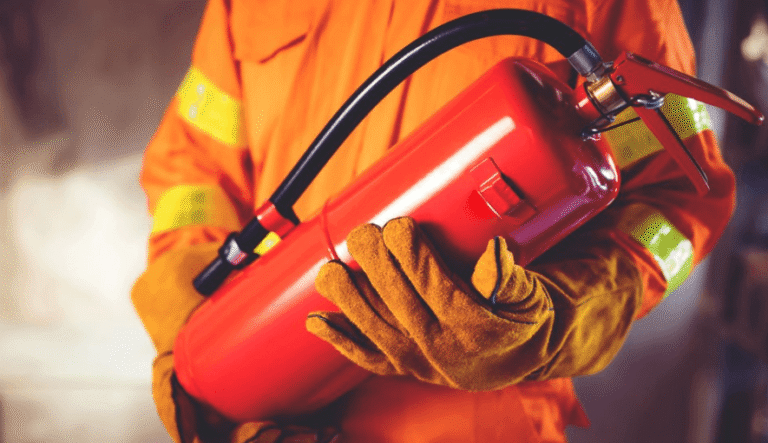
Why Fire Risk Assessment and Fire Safety Audit Are Often Confused
A Fire Risk Assessment and a fire safety audit are often mistaken for the same process, but they serve different roles in fire safety management. Both aim to reduce fire risk and improve compliance, yet they focus on different aspects of safety.
Understanding the distinction helps businesses and landlords meet legal duties effectively and avoid gaps in fire safety planning. Using the correct process at the right time strengthens overall protection.
What a Fire Risk Assessment Involves
A Fire Risk Assessment is a legal requirement for most non-domestic premises and shared residential areas. It focuses on identifying fire hazards, assessing risks to people, and determining appropriate control measures.
The assessment evaluates ignition sources, combustible materials, and oxygen sources. It also examines evacuation routes, fire detection systems, and emergency procedures. The outcome is a documented plan that outlines risks and recommended actions.
A Fire Risk Assessment is forward-looking, aiming to prevent fire incidents before they occur.
What a Fire Safety Audit Involves
A fire safety audit is a review of existing fire safety arrangements and how well they are being managed. It examines whether fire safety policies, procedures, and systems are being followed and maintained correctly.
Audits often review records, training, maintenance logs, and compliance with internal policies or external standards. Unlike a Fire Risk Assessment, an audit does not usually identify new hazards but checks whether existing controls are effective and properly implemented.
Fire safety audits are often used for internal governance, quality assurance, or certification purposes.
Legal Status of Fire Risk Assessment vs Audit
A Fire Risk Assessment is a legal requirement under fire safety law. Failure to carry one out or keep it up to date can result in enforcement action, fines, or prosecution.
A fire safety audit, on the other hand, is not always legally required. However, audits are often recommended as best practice and may be required by insurers, corporate policies, or accreditation schemes.
While audits support compliance, they do not replace the need for a Fire Risk Assessment.
Key Differences Between Fire Risk Assessment and Audit
The main difference lies in purpose and focus. A Fire Risk Assessment identifies hazards and determines what safety measures are needed. A fire safety audit checks whether those measures are in place and working effectively.
A Fire Risk Assessment is typically site-specific and risk-based, while audits are process-driven and compliance-focused. Assessments look at what could go wrong, while audits look at how well rules are being followed.
See Also: Role of Artificial Intelligence in Virtual Home Staging
Both are important but serve different stages of fire safety management
When You Need a Fire Risk Assessment
A Fire Risk Assessment is required when a building is occupied, altered, or used for non-domestic purposes. It must be completed before occupation and reviewed regularly.
Any significant change to a building or its use requires a review of the Fire Risk Assessment. It is the foundation of fire safety planning and must always be in place.
When a Fire Safety Audit Is Useful
Fire safety audits are useful for checking ongoing compliance and identifying management weaknesses. They are often carried out periodically to ensure that procedures, training, and maintenance are being followed.
Audits are particularly valuable for large organizations, multi-site operations, or regulated environments. They help verify that Fire Risk Assessment recommendations have been implemented correctly.
How Fire Risk Assessment and Audits Work Together
Fire Risk Assessment and fire safety audits work best when used together. The assessment identifies risks and sets requirements, while the audit checks whether those requirements are being met.
Using both processes creates a continuous improvement cycle. Risks are identified, controls are implemented, and audits verify effectiveness. This approach strengthens safety culture and reduces the likelihood of fire incidents.
Choosing the Right Approach for Your Premises
Responsible persons should ensure that a Fire Risk Assessment is always in place and up to date. Fire safety audits should then be used to support ongoing compliance and performance monitoring.
Choosing the right approach depends on awareness of legal duties, building complexity, and risk profile. Professional advice can help determine the most effective strategy.
FAQs About Fire Risk Assessment and Fire Safety Audits
Can an audit replace a Fire Risk Assessment?
No, audits do not replace the legal requirement for a Fire Risk Assessment.
How often should a fire safety audit be carried out?
This depends on organizational policy, but annual audits are common.
Who conducts Fire Risk Assessments?
They must be carried out by a competent person.
Are audits required by law?
Not always, but they are often recommended or required by insurers.
Do audits identify new fire hazards?
They typically focus on existing controls rather than new risks.
Can one person do both?
Yes, if they are competent and independent where required.
Conclusion
A Fire Risk Assessment and a fire safety audit serve distinct but complementary roles in fire safety management. The assessment identifies hazards and sets safety requirements, while audits verify that those requirements are being followed. Understanding the differences helps responsible persons maintain compliance, improve safety performance, and reduce fire-related risks effectively.