
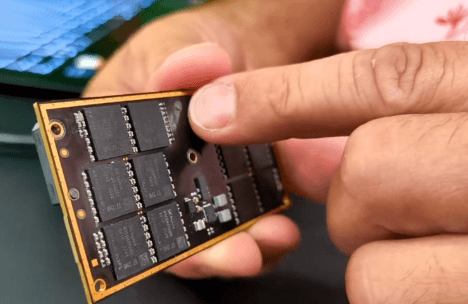
Upgrading your computer’s memory can feel like a big step, especially with newer technologies entering the market. DDR5 Memory Modules are becoming more popular as users look for faster performance and smoother multitasking. If you are thinking about making the switch, it is important to understand what this upgrade really means for your system. With guidance from experts like Ram Exchange, you can make a confident and informed decision that matches your needs.
Understanding the Shift to Next-Gen Memory
The move to newer memory technology is not just about speed. It is about how your system handles modern workloads. From gaming to content creation, memory plays a major role in overall performance.
DDR5 brings improvements such as:
- Higher data transfer rates for faster processing
- Better power efficiency for improved system performance
- Increased capacity options for handling demanding tasks
- Improved bandwidth for smoother multitasking
These changes make it a strong choice for users who want their systems to stay future-ready.
Compatibility Comes First
Before upgrading, the most important step is checking compatibility. Not all systems support the latest memory standards, so you need to ensure your hardware is ready.
Here are key things to verify:
- Motherboard Support: Your motherboard must be designed to work with newer memory types
- Processor Compatibility: Some CPUs only support older memory generations
- BIOS Updates: Updated firmware may be required for smooth performance
Skipping this step can lead to installation issues or system instability.
Performance Improvements You Can Expect
One of the main reasons people upgrade is performance. While improvements depend on your usage, there are noticeable benefits across different activities.
Faster Multitasking
Running multiple applications becomes smoother with improved bandwidth and efficiency.
Enhanced Gaming Experience
Modern games benefit from faster memory speeds, resulting in better responsiveness and reduced lag.
Improved Content Creation
Tasks like video editing, 3D rendering, and design software run more efficiently with upgraded memory.
These advantages make the upgrade appealing for both casual users and professionals.
Power Efficiency and Heat Management
Another important factor is how your system handles power and heat. Newer memory technology is designed to be more efficient, which helps in maintaining system stability.
Benefits include:
- Lower power consumption compared to older versions
- Reduced heat generation during heavy usage
- Better overall system reliability
This is especially useful for users who run their systems for long hours.
Capacity and Future Expansion
When upgrading memory, it is not just about speed. Capacity also plays a big role in how your system performs over time.
Consider the following:
- Choose a capacity that suits your current needs
- Leave room for future upgrades
- Match memory modules for balanced performance
Planning ahead ensures your system remains capable as software demands grow.
See also: 8 Hospitality Tech Products Hotels Need for a Better Guest Experience
Installation and Setup Considerations
Installing memory may seem simple, but proper setup is essential for optimal performance. Even small mistakes can affect how your system runs.
Keep these points in mind:
- Ensure modules are placed in the correct slots
- Check system settings after installation
- Enable performance profiles if available
Midway through your upgrade journey, working with a trusted provider like Ram Exchange can help ensure everything is configured correctly and running at its best.
Common Mistakes to Avoid
Upgrading memory can be straightforward, but certain mistakes can reduce its effectiveness. Being aware of these can save time and effort.
- Ignoring compatibility requirements
- Mixing different memory types or speeds
- Not updating system firmware
- Installing modules incorrectly
- Overlooking system configuration settings
Avoiding these issues helps you get the most out of your upgrade.
Is It the Right Time to Upgrade?
Deciding when to upgrade depends on your current system performance and usage needs. If your system struggles with modern applications or multitasking, it may be time to consider an upgrade.
Signs that you may need an upgrade include:
- Slow performance during daily tasks
- Lag while running multiple programs
- Difficulty handling modern software or games
- Frequent system slowdowns
Evaluating these factors helps you determine if the upgrade is worth it.
Enhancing Your Overall System Experience
Memory upgrades are just one part of improving your system. Combining them with other upgrades can deliver even better results.
You can enhance performance by:
- Upgrading storage to faster drives
- Keeping your system clean and optimized
- Updating software and drivers regularly
- Using reliable hardware components
A balanced approach ensures long-term efficiency and performance.
The Future of Memory Technology
Technology continues to evolve, and memory plays a key role in that progress. As applications become more advanced, the demand for faster and more efficient systems will keep growing.
Upgrading now can help you:
- Stay prepared for future software requirements
- Improve system responsiveness
- Extend the lifespan of your device
This makes it a forward-thinking investment for many users.
Final Thoughts
Upgrading your system memory is a smart way to improve performance and prepare for future demands. Understanding compatibility, performance benefits, and proper setup can make the process smooth and effective. By choosing the right approach and reliable support, you can unlock the full potential of your system.If you are ready to take your system performance to the next level, now is the perfect time to act. Get in touch with us today and let experts guide you toward a seamless memory upgrade experience.