
You take a sip of something cold, breathe in through your mouth, or brush near the gumline, and that sharp flash hits fast. It can feel small and disruptive at the same time. You may start avoiding one side of your mouth, changing what you eat, or wondering if something is seriously wrong. Sensitivity around the neck of a tooth often starts this way, right where the enamel meets the root area near the gums, and a dentist’s job is to sort out whether the cause is exposed dentin, gum recession, tooth wear, decay, a cracked tooth, or something deeper inside the nerve, sometimes requiring evaluation by a South Hill Oral Maxillofacial surgeon.
That is why how dentists evaluate sensitivity around the neck of a tooth is not just about asking whether cold hurts. A good exam looks at the pattern of pain, what triggers it, how long it lasts, and what the tooth and surrounding gums look like under close inspection. The goal is simple. Find the real cause, rule out the serious problems, and choose the least invasive treatment that makes daily life easier.
Tooth Neck Sensitivity Usually Has More Than One Clue
The neck of a tooth is the area near the gumline. When sensitivity shows up there, dentists often think first about dentin hypersensitivity, which happens when the dentin becomes exposed and tiny tubules in the tooth transmit stimuli toward the nerve. A good overview of this process appears in the clinical summary on dentin hypersensitivity. That does not mean every sensitive tooth has the same problem. Pain from a cavity, a loose filling, grinding, gum disease, or a cracked tooth can feel similar at first.
This is where many people get stuck. The pain seems random. Some days it is ice water. Other days it is toothbrushing or sweet foods. You might even think it is one tooth when the real source is the one next to it. If you have been trying desensitizing toothpaste and the pain keeps coming back, that does not mean you failed. It usually means the trigger has not been identified clearly enough.
A dentist starts with your history because the details matter. Brief, sharp pain that stops quickly after cold is removed often points toward exposed dentin. Lingering pain, spontaneous throbbing, or pain that wakes you up raises concern for pulpal inflammation. Sensitivity after whitening, recent dental work, or aggressive brushing adds another layer. This is why dentist evaluation for gumline tooth sensitivity is part interview, part visual exam, and part testing.
General Dentist Exams Focus on Triggers, Tooth Structure, and Gum Health
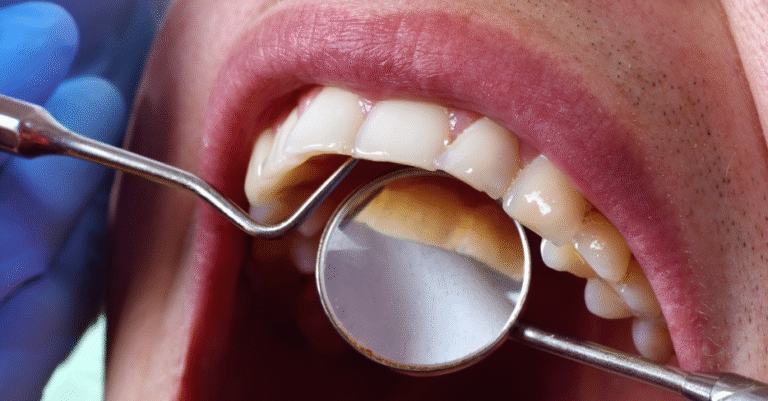
A general dentist usually checks the area in a sequence. First comes a visual exam. The dentist looks for gum recession, worn enamel, noncarious cervical lesions, plaque buildup, tartar, decay near the gumline, and old restorations that no longer seal well. Root surfaces exposed by recession are more prone to sensitivity because cementum is thin and can wear away.
Next comes stimulus testing. Air, cold, gentle probing, or a small instrument may be used to reproduce the symptom in a controlled way. That sounds unpleasant, but it helps separate a broad complaint from a specific diagnosis. If one tooth reacts sharply to air at the cervical area and the discomfort ends right away, that supports a diagnosis of dentin hypersensitivity. If biting pressure or release causes pain, a crack may be involved. If percussion hurts, inflammation around the root may be part of the picture.
Radiographs may be needed when the source is not obvious. X rays can reveal decay, bone loss, failing fillings, or changes around the root. They do not show every crack or every cause of sensitivity, but they help rule out problems that need more than a surface treatment.
Research has also shown that cervical sensitivity often overlaps with tooth wear and gum recession rather than existing as an isolated problem. A review in the dental literature on cervical dentin hypersensitivity describes how diagnosis depends on excluding other causes first. Another review on dentin hypersensitivity and its management supports a stepwise approach that starts with identifying risk factors, then moving to conservative care before more involved treatment.
Sensitivity Around the Gumline Can Come From Daily Habits
Sometimes the exam shows a pattern that explains a lot. Hard brushing, abrasive toothpaste, acidic drinks, reflux, clenching, and grinding can all wear down the tooth near the gumline. Gum recession exposes the root surface, then cold air or a toothbrush reaches dentin more easily. In another person, the key issue is a cavity hiding near the gumline where plaque tends to collect. In someone else, the pain starts after whitening and fades as the tooth settles down.
This is why cervical tooth sensitivity evaluation is rarely one test and done. The dentist is looking for the chain of events. What exposed the area. What keeps irritating it. What can be changed without overtreating the tooth.
Home Measures and Professional Evaluation Are Not Equal
| Approach | What it may help with | Limits |
| Desensitizing toothpaste | Mild exposed dentin sensitivity from brushing, cold, or sweets | Does not fix decay, cracks, leaking fillings, or advanced gum disease |
| Softer brushing technique | Reduces ongoing wear at the gumline | Will not reverse existing recession or structural defects |
| Avoiding acidic drinks | Lowers repeated enamel and root surface erosion | Does not identify which tooth is diseased if pain persists |
| Professional dental exam | Finds the exact tooth, trigger, and likely cause | Requires testing and sometimes X rays |
| In office treatment | May include fluoride varnish, bonding, filling repair, bite adjustment, or other care | Depends on a correct diagnosis first |
That difference matters because the wrong self diagnosis can drag things out. If you assume all gumline pain is simple sensitivity, a cavity or cracked tooth can worsen quietly. If you assume every sharp zing means a root canal, you may worry more than necessary. Most cases need a careful exam before any big treatment is considered.
Three Immediate Steps Can Make the Dental Visit More Useful
Track the trigger. Notice whether the pain comes from cold, heat, sweets, brushing, biting, or air. Pay attention to whether it stops fast or lingers. Those details help narrow the cause quickly.
Change brushing pressure today. Use a soft brush, small strokes, and a gentle hand at the gumline. If the bristles splay out fast, you are brushing too hard. This reduces ongoing wear while you wait for an exam.
Book a general dentist visit if pain repeats. Recurrent or worsening sensitivity deserves a diagnosis, especially if it is tied to one spot, starts lingering, or appears with visible recession, a notch near the gumline, or pain when biting.
Relief Starts with the Right Diagnosis
Sensitivity near the neck of a tooth is common, but it is not something to guess at for long. A dentist looks at the pattern, tests the tooth, checks the gums and restorations, and rules out the problems that need different care. Once the cause is clear, treatment is usually much more straightforward and much less stressful than the uncertainty leading up to it.
If that sharp pain keeps catching you off guard, schedule an appointment with a general dentist and get the area checked before it turns into a bigger problem.