
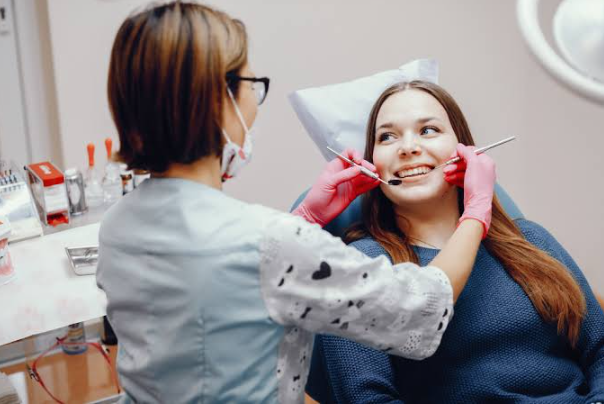
You show up for periodontal maintenance, open wide, and answer the usual questions, but a lot can change between visits. Maybe your gums have been bleeding when you floss. Maybe one tooth feels different when you bite down. Maybe your blood sugar has been harder to control, or you started a new medication and did not think it had anything to do with your mouth. These details are easy to brush off, especially when life is full and your appointment feels routine. In some cases, these concerns may even lead to conversations about options like dental implants in Norristown, PA.
That is where problems can hide. Periodontal disease does not always announce itself with strong pain. It can move quietly, and small changes in your health or habits can affect your gums faster than you expect. At your next visit, bringing up a few specific updates can help your periodontist catch trouble early, adjust your care, and protect the work you have already put into your oral health.
Changes in bleeding, swelling, and tenderness can signal gum disease activity
If your gums bleed more often than they used to, mention it. If they look puffy, feel sore, or seem redder than normal, mention that too. Many people assume bleeding with brushing or flossing means they just brushed too hard. Sometimes that is true. Often, it is inflammation.
According to the National Institute of Dental and Craniofacial Research gum disease overview, gum disease can begin with symptoms like red, swollen, or bleeding gums. Left alone, it can progress and affect the bone and tissues that support your teeth. During a periodontal maintenance visit, your provider is looking for signs of active disease, and your day to day experience fills in the gaps between charting and X-rays.
You do not need to wait until symptoms feel severe. “It only happens sometimes” is still worth saying out loud.
See also: 6 Ways To Improve A Smile Without Treating Every Tooth
Loose teeth, bite changes, and new sensitivity deserve prompt attention
A tooth that feels slightly loose can be easy to second guess. So can a change in the way your teeth meet when you chew. You may notice one spot takes more pressure, food gets trapped in a new area, or cold water suddenly bothers a tooth that used to feel fine. These are not minor footnotes.
Gum and bone support can shift over time, especially if periodontal pockets deepen or inflammation returns. A bite change can also come from grinding, clenching, or movement in the teeth. Your periodontist can check whether the issue is coming from gum disease, trauma from bite pressure, recession, or a cracked tooth. That is one reason gum maintenance appointments matter so much. They are not just cleanings. They are surveillance visits for changes that are easy to miss at home.
New medical conditions and medication changes affect periodontal health
Your mouth is not separate from the rest of your body. If you have been diagnosed with diabetes, if your blood sugar has been running high, or if your medications changed, bring it up. The connection is direct. The CDC’s guidance on diabetes and oral health explains that diabetes can raise the risk of gum disease, and gum inflammation can make blood sugar management harder.
Other medications can matter too. Some cause dry mouth. Some affect bleeding. Some can change the way gum tissue responds. If you started blood thinners, osteoporosis medications, immune suppressing drugs, or even a new antidepressant that leaves your mouth dry, your periodontist should know. Dry mouth alone can increase plaque buildup and irritation, which changes your risk profile between visits.
Tobacco, vaping, stress, and home care shifts can change your gum disease risk
People often leave out habit changes because they feel personal or unrelated. They are not unrelated. Smoking and vaping can affect healing and mask some signs of inflammation, which makes disease harder to judge by appearance alone. The CDC’s page on periodontal disease lists tobacco use among the major risk factors.
Stress belongs in this conversation too. When stress rises, home care routines often slip, clenching gets worse, sleep suffers, and inflammation can be harder to control. If you have been brushing less carefully, skipping flossing, wearing your night guard less, or dealing with a rough stretch, say it plainly. Your provider is not grading you. They are trying to understand why your gums look the way they do.
A clear update at your periodontist visit helps guide treatment
Details matter most when they change what happens next. A minor sensitivity issue might call for fluoride, desensitizing products, or a closer look at recession. New bleeding may lead to deeper pocket checks or more frequent maintenance. A medical change may affect healing expectations, treatment timing, or the type of home care advice you get.
| Change to Mention | Why It Matters | What Your Periodontist May Do |
|---|---|---|
| Bleeding, swelling, or tenderness | Can signal active inflammation or recurring infection | Measure pockets, review brushing and flossing, adjust maintenance frequency |
| Loose tooth or bite change | May point to bone loss, clenching, trauma, or tooth movement | Check mobility, evaluate bite, take images if needed |
| New sensitivity or recession | Can reflect exposed roots, gum loss, or a cracked tooth | Assess recession, recommend desensitizing care, monitor progression |
| Diabetes or medication changes | Can affect healing, inflammation, and dry mouth | Modify treatment planning and home care recommendations |
| Smoking, vaping, stress, or home care changes | Can raise risk and make disease harder to control | Track risk factors and create a more realistic maintenance plan |
Simple steps make your next periodontal maintenance visit more useful
Keep a short symptom list. Write down anything new before your appointment, even if it seems small. Bleeding, soreness, sensitivity, bad taste, food trapping, and changes in chewing all belong on the list.
Bring your medical updates. New diagnoses, medication changes, and blood sugar issues should be shared at check in or with the doctor directly. This is especially true for anyone managing diabetes or conditions that affect healing.
Be honest about habits. If you started vaping, stopped wearing your night guard, or have not been able to keep up with flossing, say it without embarrassment. Good periodontal care depends on a clear picture, not a perfect one.
5 changes to mention at your next periodontal maintenance visit are not dramatic warning signs reserved for emergencies. They are the everyday shifts that help a periodontist spot trouble sooner and tailor care to what is really happening in your life. If something feels different, mention it. That one detail can change the whole visit for the better.