
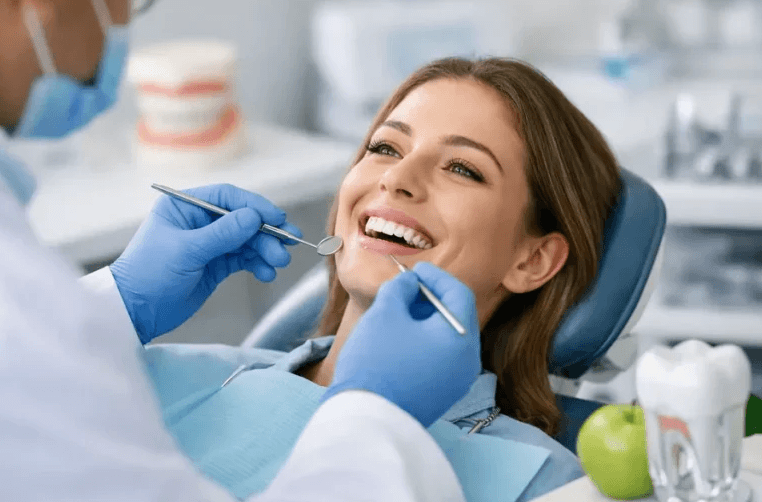
You notice it in small moments first. A child covers their mouth in a school photo. A teenager stops smiling with teeth. An adult keeps postponing a filling because life is busy and the cost feels hard to face. An older parent says they are eating “just fine,” even though they have quietly stopped choosing foods they love. Oral health touches confidence in ways people feel every day, and it does not stay in one lane. It affects comfort, speech, meals, sleep, first impressions, and the ease of smiling without thinking about it. For families looking for a children dentist in Ann Arbor, MI, these small moments can be the first sign that support is needed.
Family and cosmetic dentistry supports more than appearances. It helps protect teeth, gums, and function across every stage of life, and it can also repair the things that wear down self trust over time. That blend matters because confidence is not only about how your smile looks. It is also about whether your mouth feels healthy, stable, and pain free.
Confidence changes with age, but oral health stays connected to daily life
Children need a strong start. Regular cleanings, exams, fluoride, and sealants can lower the risk of cavities and help build calm habits around dental visits. According to the CDC’s overview of oral health, oral health is part of overall health, well being, and quality of life. That sounds broad until you see it at home. A child with tooth pain may struggle with sleep, focus, and eating. A child who feels good about their smile usually shows it without being asked.
Teen years bring a different pressure. Appearance starts to carry more social weight, and small issues can feel huge. Staining, crowding, chips, or uneven teeth may not be dangerous on their own, but they can shape how a teen talks, laughs, or shows up in photos. A thoughtful dentist can address health first, then talk through cosmetic options when they make sense, without turning normal insecurity into shame.
Adults often live in delay mode. Work, parenting, commuting, and budgets push dental care down the list. A minor cavity becomes a larger repair. Grinding causes wear. Coffee, tea, and age deepen stains. If you have ever thought, “I will deal with it later,” you are not alone. The problem is that later usually costs more, hurts more, and asks more of your time.
Older adults face another layer. Dry mouth, gum recession, missing teeth, worn restorations, and medical conditions can all affect the mouth. The CDC’s oral health facts and statistics show that cavities and gum disease remain common across the lifespan. This is one reason cosmetic and family dental care works best when it is not treated as separate worlds. The healthiest smile is often the most confident one, and the most confident smile usually depends on solid dental health underneath.
General and cosmetic dentist care works best when function comes first
A good smile makeover is not just whitening or bonding placed on top of untreated problems. If gums are inflamed, if decay is active, or if a bite is causing damage, cosmetic changes alone can become expensive short term fixes. A general and cosmetic dentist looks at the whole picture. That means checking for disease, protecting enamel, restoring damaged teeth, and then improving color, shape, spacing, or symmetry when appropriate.
This approach reduces the cycle many people know too well. You fix one visible issue, feel better briefly, then another problem appears because the root cause was still there. If a person whitens teeth while grinding every night, the brighter smile may still be paired with chips and wear. If someone closes a front tooth gap with bonding but has untreated gum disease, the result may not last the way they hoped.
The National Institute of Dental and Craniofacial Research points to the broader picture in its Oral Health in America report, which outlines both advances in care and the barriers many people still face. Access, cost, fear, and lack of time are real. So is the emotional weight of feeling judged for waiting too long. The right dental care meets you where you are and builds from there.
Preventive and cosmetic options solve different problems
| Need | Common Family Dentistry Support | Common Cosmetic Dentistry Support | Confidence Impact |
| Cavity prevention | Exams, cleanings, fluoride, sealants | Usually not the first step | Less pain, fewer surprise treatments, more ease |
| Tooth pain or damage | Fillings, crowns, gum care, bite evaluation | Bonding or veneers after health is stable | Comfort returns, speaking and eating feel normal |
| Stains or discoloration | Cleaning to remove surface buildup | Professional whitening or veneers | More comfort smiling in close conversation and photos |
| Chips, uneven edges, small gaps | Evaluation to rule out grinding or decay | Bonding, contouring, veneers | Smile looks more balanced and less distracting |
| Missing teeth | Oral health planning, restorative care | Natural looking replacement design | Better chewing, clearer speech, stronger self assurance |
The point is not that every person needs cosmetic treatment. Many do not. The point is that confidence comes from matching the right care to the real problem. Sometimes a cleaning and a filling change everything. Sometimes whitening lifts years of self consciousness. Sometimes replacing one visible broken tooth helps a person feel like themselves again.
Small, consistent care often costs less than waiting
People often assume cosmetic concerns are separate from health concerns, but they can overlap fast. A cracked front tooth is a cosmetic issue until it starts catching on food, irritating your bite, or breaking further. Gum recession may begin as a visual concern and then lead to sensitivity. Delayed care turns manageable problems into larger ones, both clinically and financially.
That does not mean you need to do everything at once. It means planning helps. Family dentistry gives you the map. Cosmetic dentistry can shape the result when health is secure. Together, they give you a realistic path instead of a patchwork of rushed decisions.
Three steps you can take right away
1. Start with a full dental checkup. If you have been putting it off, begin there. Ask for a clear picture of your teeth, gums, bite, and any urgent issues. You need to know what is health related, what is cosmetic, and what can wait.
2. Make a short priority list. Write down the top three things that bother you most. Pain, staining, a chipped tooth, bad breath, bleeding gums, missing teeth. This helps you and your dentist build a plan that fits your life and budget instead of chasing every issue at once.
3. Choose care that supports both function and appearance. If you are considering whitening, bonding, veneers, or other aesthetic treatment, ask how long the results may last and whether any underlying issue should be treated first. Good cosmetic work holds up better when the foundation is healthy.
A confident smile is built over time
You do not need a perfect smile to feel better about your teeth. You need a healthy, supported one and a plan that makes sense for your age, needs, and goals. Children, teens, adults, and older family members all benefit when dental care protects health first and improves appearance with intention. That is how family and cosmetic dentistry supports confidence at every age, not with pressure, but with steady care that helps you eat, speak, laugh, and smile more freely.
If it has been a while since your last visit, now is a good time to schedule one and talk through your options.